By the welcomecuracao.com team · Updated 13 October 2026
Curaçao is generally a safe destination, and the vast majority of visitors have a completely trouble-free holiday. The Dutch government's travel advice (NederlandWereldwijd) has the island at code green, its lowest level, and the US State Department rates it Level 1, "exercise normal precautions", in its update of August 2026. Canada and the UK give similar advice.
That doesn't mean nothing ever happens. Like anywhere, Curaçao has crime, and there are a few island-specific risks worth knowing. The good news is that most of them are easy to avoid.
The real risks for visitors
Theft from cars
This is the number one problem tourists face. Rental cars parked at beaches, viewpoints and trailheads are targeted, because thieves know visitors carry phones, cameras and wallets. All official advisories mention vehicle break-ins, and local police announced extra patrols across the island in August 2026 after a rise in car-related crime in the first half of the year.
- Leave nothing visible in the car, not even for five minutes.
- Pack your beach bag at your accommodation; don't move valuables into the boot at the car park, where people can see you do it.
- Prefer staffed or managed car parks, such as those at beaches with an entrance fee.
- Some locals leave their car unlocked and empty so windows don't get smashed. Your rental contract may forbid this, so check.
Petty theft and scams
Pickpocketing and bag snatching occur, mostly in busy tourist areas and on cruise-ship days in Punda. Don't leave bags unattended on the beach while you swim, keep your phone in a zipped pocket in crowds, and agree on a taxi fare before you get in.
Nights out
Pietermaai, Mambo Beach and Jan Thiel are lively and generally fine at night. As anywhere, avoid deserted streets and isolated beaches after dark, take a taxi back if you've been drinking, and keep an eye on your drink.
Nature: the risks people underestimate
- Sun: Curaçao lies about 12 degrees north of the equator. The sun is intense all year, even when there's a breeze. High-factor sunscreen, a hat, a rash vest for snorkelling and lots of water are essential.
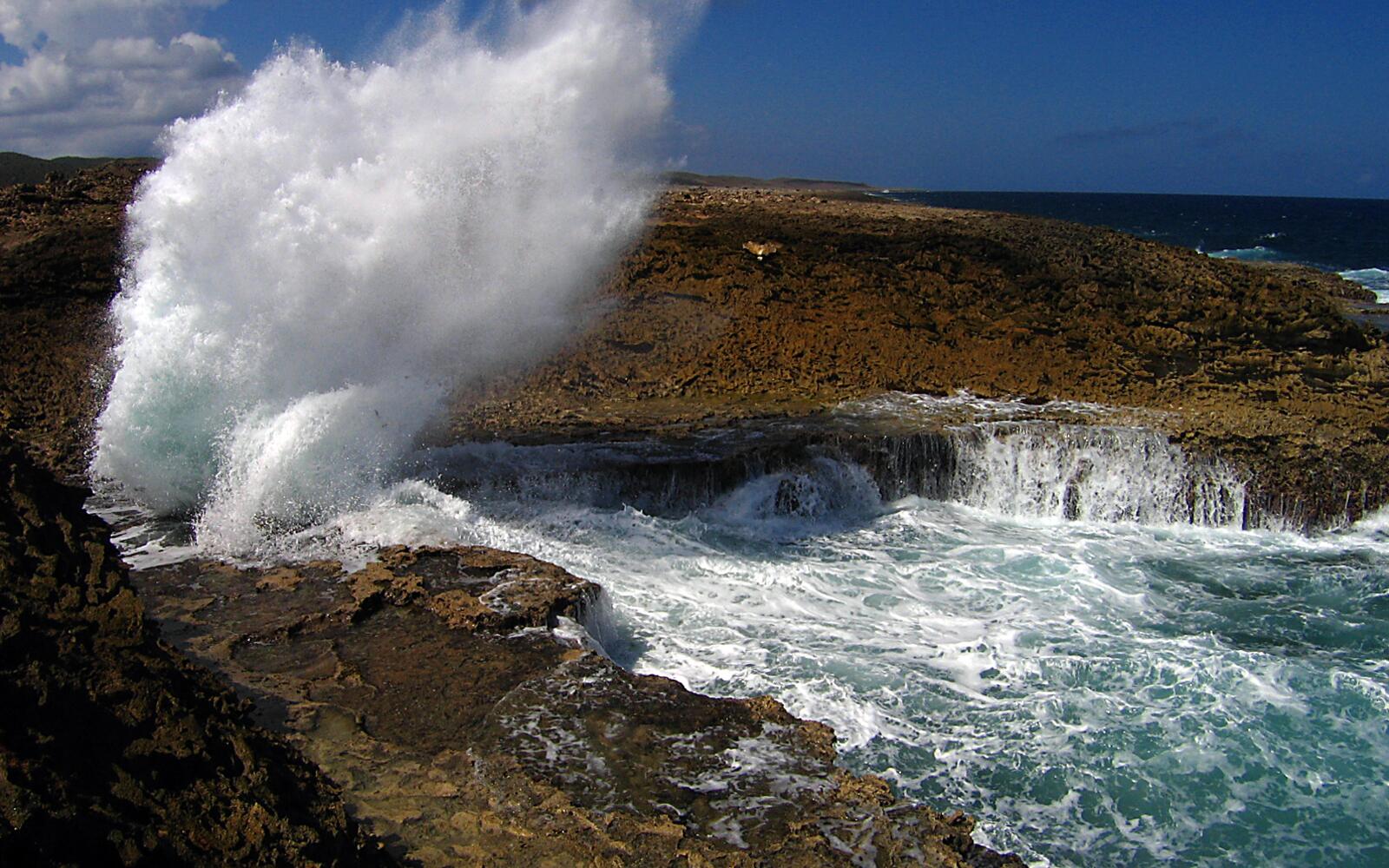
- Currents: swim only on the calm south and west coast. The north coast, including Shete Boka, is for looking, not swimming.
- Hiking: start early in Christoffel Park, carry plenty of water and wear proper shoes on the sharp limestone.
- Cliff jumping: at Playa Forti, only jump if you're a strong swimmer, sober, and have checked the depth.
- Sea creatures: watch for sea urchins on rocky entries (water shoes help) and never touch fire coral.
Curaçao lies outside the main hurricane belt and is rarely hit directly, although tropical storms passing to the north can bring heavy rain, mostly in the autumn months.
Driving, laws and practicalities
Traffic drives on the right. Roads are generally good, but local driving can be fast, roundabouts are busy and some country roads are poorly lit, so avoid long drives in the dark if you can. Compare rental cars with full insurance on DiscoverCars.
- Drugs: the Dutch government stresses that using, carrying or selling any drugs, including soft drugs, is illegal in Curaçao and can lead to heavy penalties. Never carry a bag or package for someone else, and expect thorough checks when you fly back to the Netherlands.
- ID: carry a copy or photo of your passport. Dutch travellers need a passport; a Dutch ID card is not valid for travel to Curaçao.
- Carnival: crime tends to rise during the carnival season (roughly January to March). Enjoy the parades, but keep valuables at home.
- Insurance: make sure your travel insurance covers medical treatment and evacuation, and diving if you dive. Compare policies on VisitorsCoverage.
- Stay connected: a local data plan makes navigation and calling for help much easier. An eSIM from Airalo works from the moment you land.
Plan your Curaçao trip
Hotels, tours and transport in one place.
Frequently asked questions
Is Curaçao safe for tourists?
Yes. The Netherlands, the US, Canada and the UK all rate Curaçao at their lowest or a low risk level. The main problem for visitors is opportunistic theft, especially from parked cars.
Is Curaçao safe at night?
The main nightlife areas, such as Pietermaai, Mambo Beach and Jan Thiel, are generally fine. Avoid isolated beaches and deserted streets after dark and take a taxi if you have been drinking.
Is Curaçao safe for solo female travellers?
Many women travel solo to Curaçao without problems. Use the same precautions as at home: stay in busy areas at night, use registered taxis and keep an eye on your drink.
What is the emergency number in Curaçao?
Call 911 for police and fire, 912 for an ambulance and 913 for the coastguard.
Header photo: Photo: Pi3.124, CC BY-SA 4.0
Some links on this page are affiliate links. If you book through them we may earn a small commission at no extra cost to you. Learn more.