
- AreaKlipstraat 9, Otrobanda
- Best forHistory, rainy or hot afternoons
- Time1.5–2 h
- TipCard only, no cash at the desk
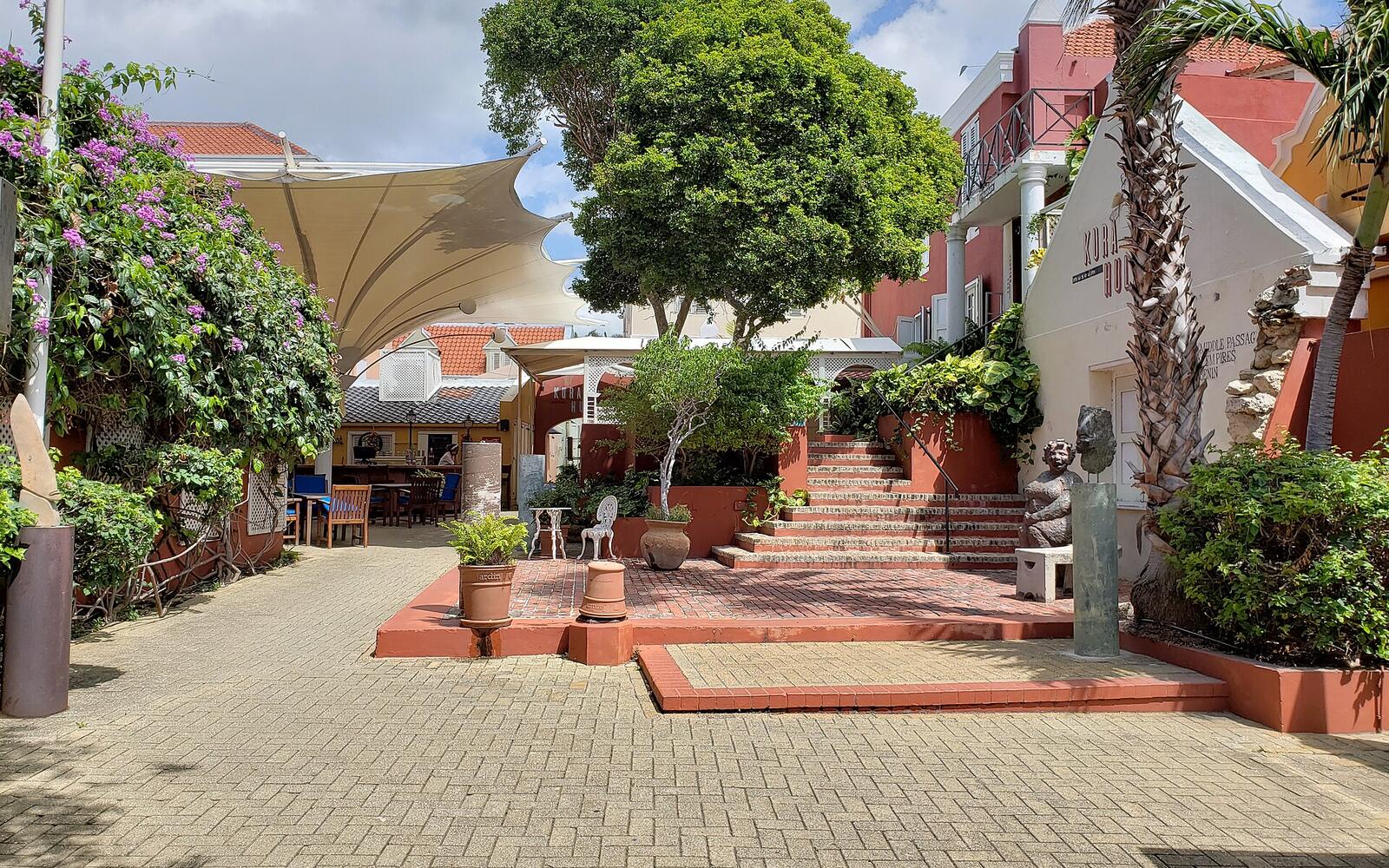
The Kura Hulanda Museum sits inside a cluster of restored buildings in Otrobanda, on the western side of St Anna Bay. It was founded in 1999 by Dutch entrepreneur Jacob Gelt Dekker on a site linked to the island's slave trade, and it remains the most complete place on Curaçao to understand that history. The name is Papiamentu for "Dutch courtyard".
What you will see
The core of the museum follows the transatlantic slave trade from capture in West Africa through the Middle Passage to life on Caribbean plantations. A reconstructed section of a slave ship's hold is the part most visitors remember. Other galleries cover the great West African kingdoms, the origins of humankind, and a collection of ancient Mesopotamian objects that feels less connected to the island but is interesting in its own right. The museum also looks at resistance and how the past shapes Curaçao today.
- Hours: roughly 8:00–16:00 Monday to Saturday, shorter on Sunday; last entry one hour before closing. Check current hours on the museum's site before you go.
- Payment: the museum says it does not handle cash, so bring a card.
- Guides: a guided visit adds a lot; ask at the desk or book one in advance.
Plan your visit
Allow at least 90 minutes. Many of the rooms are emotionally heavy, and the courtyards between them are a good place to pause. It is a sensible choice for the hottest part of the day, and for older children with some preparation; younger kids may find parts upsetting.
It is a five-minute walk from the Queen Emma Bridge, so it combines easily with the rest of Willemstad. To continue the story outside the city, drive west to Museo Tula, where the island's largest slave revolt began in 1795.
Prefer a guide to the whole city? Compare history and walking tours on GetYourGuide. Hotels within walking distance: Booking.com.
Tours: Kura Hulanda Museum
Compare guided trips, transfers and tickets.
Frequently asked questions
How long do you need at Kura Hulanda?
Plan on 1.5 to 2 hours for the main galleries.
Is it suitable for children?
For older children with some context, yes. Some displays about slavery are confronting for young kids.
Can I pay cash?
The museum states it does not carry cash, so bring a debit or credit card.
Some links on this page are affiliate links. If you book through them we may earn a small commission at no extra cost to you. Learn more.